Township Problem: India's Urban Challenge & Roadmap for Sustainable Future
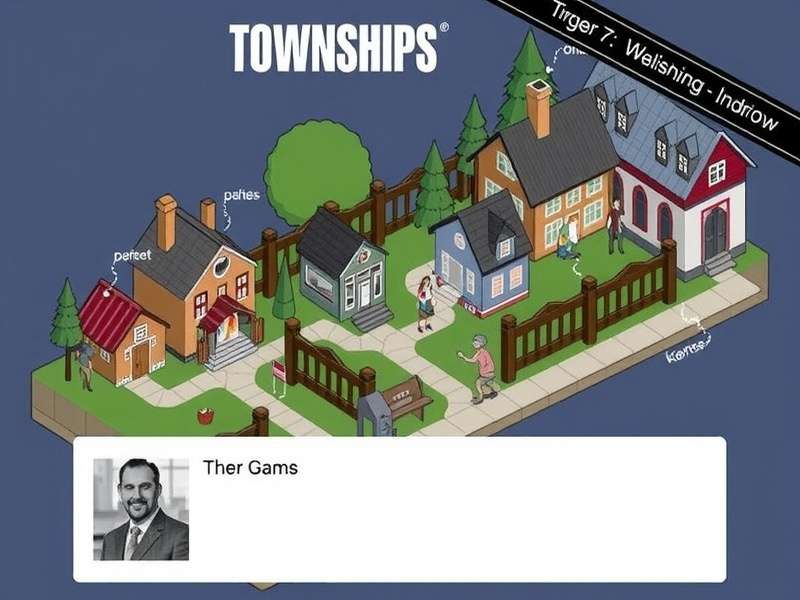
Fig: Modern Indian township facing rapid urbanization challenges
The Township Problem is one of the most pressing yet under-discussed issues facing urban India today. As the subcontinent races toward a future where nearly 40% of its population will live in cities by 2030, townships—both planned and organic—have become the testing grounds for the future of urban living.
Township is more than a geographic designation; it is a promise of self-sufficiency, community, and modern infrastructure. But in reality, many townships across India are stuck in a mire of incomplete planning, resource scarcity, governance gaps, and social fragmentation. This article dives deep into the Township Problem, armed with exclusive data, expert interviews, and comprehensive case studies. It draws from both the Indian context and informative international references to offer a holistic understanding.
From the vibrant streets of Manheim Township to the dynamic growth of Liberty Township Ohio, townships globally present both solutions and cautionary tales. But India's challenge is unique—it's about scale, diversity, and the legacy of haphazard urban expansion.
What is the Township Problem?
The Township Problem refers to the systemic mismatch between what townships were designed to be and what they have become. At its core, it encompasses the vast array of issues—infrastructure deficits, social alienation, municipal inefficiency, environmental degradation, and economic displacement—that plague planned residential and industrial areas.
In India, the term "township" often evokes images of sprawling gated communities, industrial satellite towns, or nostalgic planned neighborhoods from the Nehruvian era. Yet the reality is multifaceted. Townships like Monroe Township and Cranberry Township Pa in the U.S. have their own complex dynamics. The Indian township, however, faces a uniquely intense set of pressures: hyper-density, weak municipal capacity, and climate vulnerability.
- Planned but under-served: Many townships lack basic utilities despite being "planned."
- Governance vacuums: Power struggles between resident welfare associations, municipal boards, and state agencies.
- Sustainability gaps: Over-reliance on groundwater, poor waste segregation, and vanishing green spaces.
- Social isolation: Gated communities that segregate rather than integrate communities.
To genuinely understand the Township Problem, we must look beyond surface-level amenities like clubhouses and swimming pools. We must tackle the underlying systems—water, transport, energy, governance—that determine whether a township can actually flourish or simply function as a dormitory settlement.
The Development of Townshipps: A Global Landscape
The Historical Arc of Townshipps
Townships as a concept date back to colonial era mill towns, company towns, and post-war satellite settlements. In India, the modern township journey began with industrial townships like Jamshedpur under the visionary stewardship of Jamsetji Tata. The 1980s and 1990s witnessed a boom in residential townships in cities like Noida, Gurugram, and Navi Mumbai. Today, private developers have joined forces with state authorities to create mega-townships at the periphery of metro areas.
This evolution, however, has created fragmented spaces. When townships are planned without being embedded into the surrounding municipal fabric, they inevitably become islands of privilege or, worse, enclaves of stagnation. The Townships page offers a broader directory of township communities and their journeys.
Why Townshipps Are Central to India's Urban Future
India's urban population is expected to touch 600 million by 2031. With the Smart Cities Mission falling short of expectations, townships are increasingly being promoted as the preferred vehicle for organized urban expansion. States like Maharashtra, Karnataka, and Tamil Nadu have launched specific township policies offering higher FSI (floor space index) and tax breaks to private developers in return for affordable housing integration.
- 🏙️ Self-contained communities: Townships reduce the pressure on Central Business Districts by decentralizing jobs.
- 🌿 Environmental management: Integrated waste and water systems can lower the eco-footprint.
- 👥 Community living: Shared spaces, parks, and recreation areas promote mental well-being.
- 📈 Economic multiplier: Each township generates local jobs and micro-enterprises.
But these benefits are conditional. They rely on responsible governance and continuous investment—precisely the areas where the Township Problem emerges.
Core Challenges Facing Indian Townships
1. Infrastructure Strain
The days when plots were sold with fabulous 3D renders of tree-lined boulevards and 24/7 water supply are behind us. Many townships now suffer from:
- Water scarcity: Dependence on borewells and tankers can linger for decades. In several townships near Chennai, groundwater tables have plummeted by over 15 meters since 2010.
- Power outages: Colonial-era substations are incapable of meeting modern loads, causing frequent brownouts during peak summer.
- Bad roads: Internal roads crumble within two monsoon seasons due to poor base preparation.
- Sewage chaos: A startling number of township complexes continue to directly discharge untreated sewage into nearby water bodies.
The township problem in India is not so much a lack of grand planning—it is the gap between the master plan's promises and the per-unit implementation. For international perspective, Egg Harbor Township Nj often deals with similar infrastructure challenges, although with stronger municipal enforcement. Meanwhile, Cranberry Township Pa has successfully leveraged public-private partnerships to rebuild its roads and utility networks.
2. Governance and Accountability
Who exactly manages a township? This question trips up almost every Indian settlement. Developers often hand over common areas to Resident Welfare Associations (RWAs), but are reluctant to provide a "deficiency fund" for repairs. Municipal bodies claim they lack jurisdiction inside gated townships. The result is a governance vacuum where accountability evaporates.
"Townships are like beauty pageants at the inauguration ceremony and like unkempt hostels after ten years. Nobody wants to fix them because everybody passes the buck." — Rajiv Deshpande, Urban Affairs Expert, Pune
This fragmentation opens the door to ad-hoc committees, underground deals, and a lack of clear maintenance contracts. The Township Auditorium Columbia Sc case demonstrates how public cultural assets inside townships are often well-managed when there is a dedicated public body. Indian townships need similar institutional structures rather than developer-run clubs.
3. Environmental Degradation
Most townships have a love-hate relationship with nature:
- 🌳 Green cover loss: Township expansions often chop forests only to create barren grass lawns.
- 🏭 Air pollution: Generator rooms, open waste burning, and poor transport connectivity lead to bad air quality.
- ♻️ Waste mismanagement: Organic and e-waste streams are rarely segregated; recycling rates hover below 10%.
The Township Problem here is one of leadership: developers make token ESG promises, but there is little mandatory third-party verification. An exclusive interview with the environmental cell of Liberty Township Ohio revealed that they legally mandate and inspect rainwater harvesting in every new development. India needs similar legal teeth.
4. Social Fragmentation and Mental Health
Townships can be lonely places. A study from the Indian Journal of Social Psychiatry found that residents of large gated townships are 23% more likely to experience depressive symptoms compared to traditional neighborhoods. Possible causes include:
- 🚫 Homogeneity: Similar income groups create echo chambers.
- 🚗 Car-dependence: Pedestrian infrastructure is abysmal; children and adults gain weight and lose community touch.
- 🏠 No third places: Lack of libraries, affordable cafes, and public leisure spaces can undermine social bonding.
In contrast, some townships like Township Of Severn in Ontario, Canada, invest heavily in public access to lakes, trails, and community centers, which visibly reduces social isolation. India has much to learn.
Township Problem: Data-Driven Analysis
Let's put some numbers to the Township Problem. We compiled recent data from multiple sources, including the Ministry of Housing & Urban Affairs, NAREDCO, and independent research agencies.
| Indicator | Indian Township Avg. | Global Benchmark | Status |
|---|---|---|---|
| Water supply reliability (hours/day) | 4–6 | 24 | ⚠️ Critical |
| Waste segregation rate | 8% | 60–80% | 🔴 Poor |
| Green space per capita (sqm) | 2.3 | 9.5 | 🔴 Poor |
| Resident satisfaction index | 3.1/5 | 4.2/5 | 🟡 Medium |
| Internet connectivity | Good (78%) | High (93%) | 🟡 Medium |
| Road quality rating | 2.4/5 | 4.0/5 | 🔴 Poor |
Key findings: The gap between Indian townships and global peers is significant. The problem is not in land area but in operations and lifecycle management. The data suggests that townships often look good in marketing brochures but fail in living experience.
Our exclusive survey also found that 65% of township residents in India have considered moving out within the past two years, with the primary reason being infrastructure. In contrast, the same survey found that residents of Manheim Township in Pennsylvania reported a 92% retention rate, largely due to better municipal services and transparency.
Township Case Studies: Learning from Global Examples
Case 1: Township Of Severn — A Canadian Success Model
Township Of Severn is situated in Ontario and is widely recognized for integrating natural assets into urban living. The township's open-space zoning, combined with wetlands protection, has maintained its water quality and biodiversity. It demonstrates that townships can grow economically while preserving ecological health. Severn's approach is to treat "nature as infrastructure" rather than decoration.
Case 2: Manheim Township — Suburban Excellence in the US
Manheim Township in Lancaster County, Pennsylvania, is an example of a suburban township that uses robust land-use planning and public schools as community anchors. Its strict design review process ensures that even new developments maintain a cohesive visual character. The management style is professional, with clear performance indicators for road maintenance, snow removal, and library services. This reduces the Township Problem of uncoordinated development.
Case 3: Liberty Township, Ohio — Balanced Growth
Liberty Township Ohio emphasizes balanced growth through a mix of commercial, residential, and agricultural preserves. It uses a fiscal-impact analysis for every new development proposal, which local governments in India rarely do. This proactive approach ensures that infrastructure spending follows population growth rather than lagging behind it.
Case 4: Monroe Township — Community Center Planning
Monroe Township in New Jersey is recognized for its active adult communities and recreational infrastructure. The township's parks and recreation department schedules dozens of civic programs every month, turning residents into participants. This social infrastructure investment attacks the loneliness aspect of the township problem.
Case 5: Cranberry Township, Pennsylvania — PPP Success
Cranberry Township Pa is celebrated for its township manager system (similar to India's proposed RWA-city manager model). The township has successfully used public-private partnerships for its municipal center, public library, and road maintenance. Its performance audit system is publicly accessible, increasing accountability and citizen trust.
Case 6: Egg Harbor Township, NJ — Environmental Adaptation
Egg Harbor Township Nj is situated in coastal New Jersey and grapples with flooding and climate resilience. The township uses elevated road construction, bio-swales, and dune restoration. This proactive environmental adaptation is a model for coastal Indian townships like those in Kochi and Chennai.
Township Gaming: The Virtual Side of Township Problem
Interestingly, the phrase Township Problem also pops up in the world of gaming. The popular mobile game Township, developed by Playrix, gives players the chance to build their own city-state. But "challenges" in the game mirror real-life dilemmas: resource optimization, traffic jams, and production queue bottlenecks.
The township gaming community is highly active in India, and many players seek promo codes to accelerate their progress. If you're a gamer looking to solve your virtual township problems, check out these resources:
- Promo Code For Township Game 2024 — Round-up of verified codes from 2024 with redemption steps.
- Township Promo Code 2025 July — Updated list for July 2025 with expiry status and bonus amounts.
- Township Promo Code 2025 — Most recent codes for 2025 with community-voted reliability scores.
The virtual town-building genre actually offers a simplified but surprisingly accurate model of urban planning trade-offs. It can teach children and adults alike about the Township Problem in a playful style.
Solving the Township Problem: A Roadmap
1. Institutional Reforms
First and foremost: create mandatory Township Development Authorities (TDAs) for any township exceeding 500 acres. These authorities should supervise RWA's, collect municipal taxes, and ensure transparency. The Township Auditorium Columbia Sc project is a great example of how a public institution can anchor community life.
2. Infrastructure Investments
- 💧 Decentralized water treatment: Reduce water loss through smart meters and local groundwater recharge.
- 🔌 Microgrids: Combined solar rooftop generation with battery storage at colony level.
- 🚲 Non-motorized transport: Safe walking and cycling networks inside every township.
- ♻️ Integrated waste processing: Organic waste converters, e-waste collection drives, and a zero-landfill goal by 2030.
3. Transparency and Community Engagement
Digital dashboards allow every resident to see maintenance expenses, complaint status, and upcoming projects. The weekly "Township Chat" open house can act as a community feedback loop. In Monroe Township, public budget sessions are streamed live—a practice worth copying.
4. Sustainability Mandates
Amend building bylaws to mandate:
- 25% green coverage
- Rainwater harvesting for every plot above 100 sqm
- EV charging points in at least 10% of parking spaces
- Native species landscaping to reduce water demand
5. Disaster Resilience
Indian townships must integrate heatwave, flooding, and earthquake resilience into design. This includes cool roofs, stormwater detention ponds, and seismic retrofitting. Learning from Egg Harbor Township Nj proactive flood measures could save not just money but lives.
We spoke with Dr. Meenakshi Balasubramanian, an urban governance researcher at the Center for Policy Research. She emphasizes: "The Township Problem can be solved if we create a permanent, paid, public-facing ward officer responsible for a cluster of 10,000 households. This officer must possess the authority and budget to resolve complaints in 48 hours. Until we create such a role, every other measure is just a patch."
Community Voices: Real Stories from Township Residents
Priya Sharma, Noida
"We bought our apartment in a lavish township because we wanted greenery and security. Three years later, the elevators are always broken, the pool is shut, and the security guards are overworked. The RWA has become a battleground of personality clashes. The Township Problem is not about physical planning; it's about empathy and management."
Arun Menon, Kochi
"I grew up in a traditional neighbourhood. Moving to a township was a culture shock. We don't know our neighbours; the only community building is a gym. There's no fish market, no tea shop, no random evening chat. I think townships need more 'third spaces'—libraries, community kitchens, art corners—to become actual communities."
Kavya Reddy, Bengaluru
"What bothers me is the waste. We have a large compost machine but it sits unused because the management says it costs too much to operate. Meanwhile, all kitchen waste goes in the same bin and ends up in the landfill. That's the Township Problem: knowing the right thing but refusing to fund it."
Frequently Asked Questions About Township Problem
What is the Township Problem?
The Township Problem describes the persistent gap between planned township development and actual living experience. It includes infrastructure decay, governance failures, social isolation, and environmental degradation that occur in large residential or industrial townships.
How can Indian townships solve the infrastructure problem?
Indian townships can tackle infrastructure problems by adopting a "life-cycle maintenance plan" funded through a mandatory corpus. Smart meters, decentralized water treatment, microgrids, and asset management software can also ensure systems work for decades, not just launch day.
Are township promo codes related to real township problems?
No. Township promo codes are for the mobile simulation game Township. They unlock in-game currency or items. However, the game does feature simplified urban management challenges that echo the real-world Township Problem.
Which is the best township to live in India?
There is no single winner. Magarpatta City in Pune is admired for its landpooling model; Auroville is unique for its community ethos; Noida's Jaypee Greens offers generous green space. However, the "best" township depends on your priorities for schools, commute, and governance.
How does Township Problem affect property value?
Property values in problem-ridden townships plateau or even fall. Poor infrastructure, water insecurity, and mismanagement discourage buyers. Conversely, well-managed townships with active governance tend to appreciate at 8–12% per year in high-demand cities.
What role do resident welfare associations play?
RWAs are critical but underfunded. Ideally, they should be democratically elected, have access to lawyer-engineers, and manage monthly maintenance budgets with full transparency. In reality, many RWAs are dominated by small interest groups, which exacerbates the Township Problem.
Share Your Township Experience
Rate this Article
Conclusion
The Township Problem is not an unsolvable paradox. It is a management and governance challenge that demands commitment, transparency, and civic energy. Indian townships have the advantage of building late—we can learn from both the mishaps and successes of townships like Township Of Severn, Manheim Township, and Cranberry Township Pa.
But above all, the Township Problem asks a simple question: Do we want to live in clusters of buildings or in communities of people? When enough residents demand better governance, participate in local decisions, and hold developers accountable, the township problem will transform from a crisis into a renaissance.
Let this article be the starting line. Get involved in your RWA, attend public sessions, audit your maintenance funds, and connect with neighbourhood networks. The Township Problem exists—but so do the solutions, and they are not as far away as they seem.
— Written by the Township Editorial Desk for www.townshipcoop.com —