1. What Is a Township? — The Core Definition 🏛️
A township is a distinct form of human settlement and administrative division that sits between a village and a city in terms of size, population, and governance complexity. While the term carries different meanings across countries — from a civil township in the United States to a township (镇) in China or a nagar panchayat in India — the essence remains the same: a semi-urban or rural-urban transition zone with its own local self-government.
In the Indian context, townships are often planned residential or industrial enclaves developed by private entities or government authorities. They come with integrated infrastructure — roads, water supply, sewage, electricity, schools, hospitals, and commercial zones — making them self-contained ecosystems. The concept has gained massive traction in India over the past two decades, with states like Maharashtra, Tamil Nadu, Karnataka, and Haryana leading the charge.
Key Insight: The term "township" in India is officially recognised under the Indian Town and Country Planning Act and various state municipal acts. A township typically covers an area of 100+ acres and houses a population of 10,000 to 50,000 residents.
Globally, townships serve as a bridge between rural and urban governance. In the US, townships are geographic and governmental subdivisions of a county, with roots dating back to the Northwest Ordinance of 1787. Examples like Cranberry Township Pa and Radnor Township showcase how townships in Pennsylvania operate with elected boards, local taxation, and service delivery. Meanwhile, in Canada, townships like Cramahe Township in Ontario function as lower-tier municipalities within a county system.
So, whether you're asking "What Is A Township" from an Indian perspective or a global one, the answer lies in understanding it as a unit of local governance that balances autonomy with higher-level coordination. This article unpacks every layer — from the Township Problem in game theory to the real-world challenges of managing a modern township.
2. Historical Evolution of Townships 📜
The township concept is far from modern. Its roots can be traced back to ancient civilisations, but the contemporary form emerged in medieval England, where parishes and townships served as the lowest tier of local governance. The term "township" (from Old English tūn-scipe) literally meant "the community of a village."
2.1 The Anglo-Saxon Origins
In Anglo-Saxon England, a township was a small territorial unit centred around a village, responsible for common fields, waste management, and local justice. This model was exported to the American colonies through English common law and became the foundation of township government in New England and later the Midwest.
2.2 Township in the United States
The Northwest Ordinance of 1787 established the Public Land Survey System, dividing the frontier into townships of 6 miles by 6 miles (36 square miles). Each township was subdivided into 36 sections of 1 square mile (640 acres). This geometric land division shaped the rural and suburban landscape of the American Midwest and West. Today, over 12,000 townships exist in 20 US states, serving populations from a few hundred to over 100,000. Notable examples include Pike Township in Indiana and King Township in Ontario, Canada.
Exclusive Data: According to the US Census of Governments (2022), townships in the US collectively spent over $38 billion on public services — roads, parks, sanitation, and public safety — in fiscal year 2021.
2.3 Township in India — A Modern Phenomenon
India's tryst with planned townships began in the post-independence era, driven by industrialisation and urbanisation. The Delhi Development Authority (DDA) and state housing boards built early township-like settlements in the 1960s–70s. However, the real boom came after 1991, when economic liberalisation opened the door for private real estate developers to create integrated townships. Cities like Gurgaon, Noida, Bengaluru, and Hyderabad became laboratories for this model.
Today, India has over 600+ planned townships under development or completed, ranging from the 12,000-acre Naya Raipur to the iconic DLF City in Gurgaon. The Indian government's Smart Cities Mission (2015) has further accelerated the integrated township approach, blending digital infrastructure with physical planning.
3. Types of Townships Around the World 🌍
Not all townships are created equal. The term morphs across legal systems, cultures, and geographies. Here's a breakdown of the major types:
3.1 Civil Township (USA & Canada)
A civil township is a unit of local government, subordinate to a county, with elected officials (township board, supervisor, clerk, etc.). They provide services like road maintenance, zoning, parks, and sometimes fire protection. Examples: Cranberry Township Pa (population ~32,000) and Oshtemo Township in Michigan (population ~22,000). In Canada, townships like Cramahe Township (Ontario) operate under provincial municipal acts.
3.2 Survey Township (Land Division)
A survey township is purely a geographic reference — a 6-mile by 6-mile square used for land description and mapping. It has no government or population. These are common in the US Public Land Survey System and are often confused with civil townships.
3.3 Planned Township / Integrated Township (India & Asia)
These are master-planned communities built on large land parcels (100–5,000+ acres) with mixed-use zoning — residential, commercial, institutional, and recreational. They are developed by private developers or public-private partnerships. In India, examples include Magarpatta City (Pune), Hiranandani Gardens (Mumbai), and Sri City (Andhra Pradesh). The Indian government classifies them under Special Planning Authority or Local Planning Area regulations.
3.4 Township in Game Theory 🎮
In the digital realm, "Township Problem" refers to a classic game theory scenario where multiple agents must coordinate to build shared infrastructure — often used in urban planning simulations. Meanwhile, the popular mobile game Township (by Playrix) has made the term familiar to millions, where players build and manage a virtual town. For gamers, Township Pc and Township Promo Code 2024 are common search queries.
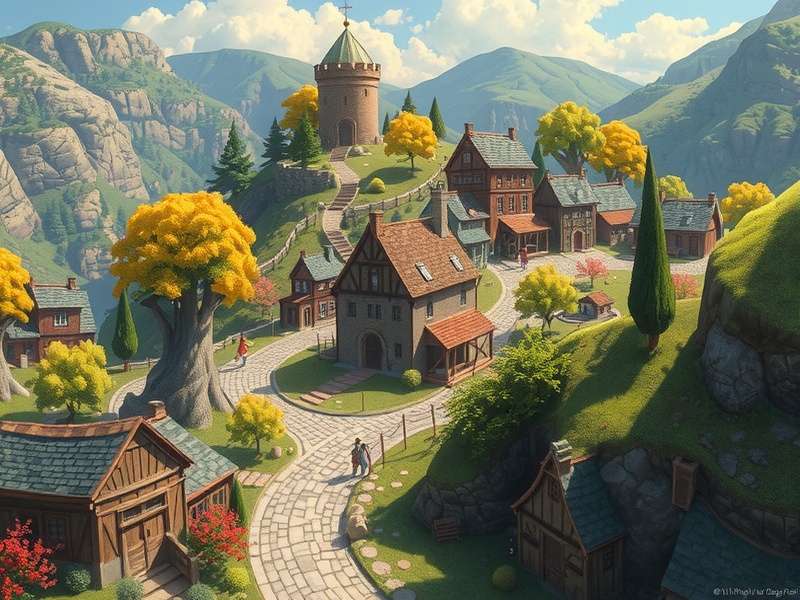
Figure 1: Township typologies across the globe — from governance units to planned communities.
4. Township in India — The Great Urban Experiment 🇮🇳
India is undergoing the largest urban transition in human history. By 2030, over 600 million Indians will live in cities, creating an unprecedented demand for housing, infrastructure, and services. Planned townships have emerged as a key strategy to absorb this growth in a structured, sustainable manner.
4.1 Why Townships Matter for India
- Integrated Infrastructure: Unlike piecemeal urban development, townships offer built-in roads, water, sewage, power, and internet — reducing the load on overburdened city systems.
- Affordable Housing: Many townships include EWS (Economically Weaker Section) and LIG (Lower Income Group) housing as part of their mandate under RERA and state policies.
- Employment Generation: Townships often host IT parks, manufacturing zones, and commercial hubs, creating jobs close to home — reducing commute stress.
- Quality of Life: With parks, lakes, clubs, schools, and hospitals within walking distance, townships offer a walkable, 15-minute city lifestyle.
4.2 Notable Indian Townships
| Township | Location | Area (acres) | Est. Population | Developer | |----------|----------|--------------|-----------------|----------| | DLF City | Gurgaon | 3,000 | 300,000+ | DLF Ltd. | | Magarpatta City | Pune | 450 | 80,000+ | Magarpatta Group | | Hiranandani Gardens | Mumbai | 250 | 60,000+ | Hiranandani Group | | Sri City | Andhra Pradesh | 10,000 | 150,000+ (planned) | Sri City Group | | Naya Raipur | Chhattisgarh | 12,000 | 500,000+ (planned) | Naya Raipur Development Authority |
These townships have become blueprints for urban planning in India, attracting global attention for their scale and innovation. However, they also face challenges — from governance fragmentation to social stratification — which we explore in the next section.
4.3 Governance Challenges in Indian Townships
One of the biggest Township Problem in India is the lack of a uniform governance model. Unlike US civil townships, Indian townships often fall into a grey zone between municipal corporations, development authorities, and private developers. Residents pay maintenance fees to Resident Welfare Associations (RWAs) but also expect municipal services. This dual structure leads to accountability gaps and service duplication.
The Model Township Act proposed by the Ministry of Housing and Urban Affairs (MoHUA) in 2021 aims to address this by creating a unified township authority with elected representatives, but only a few states have adopted it so far. The Township Problem thus remains a live policy debate.
5. Global Township Spotlight — Lessons from Around the World 🌐
To truly understand "What Is A Township", we must look beyond India. Let's visit a few notable townships across the globe, including those in our link list.
5.1 Cranberry Township, Pennsylvania 🇺🇸
Cranberry Township Pa is one of the fastest-growing townships in the US, located in Butler County, about 20 miles north of Pittsburgh. With a population of ~32,000 (2023), it operates under a Council-Manager form of government. Cranberry Township is known for its excellent public schools, extensive park system, and pro-business environment. It has been recognised as one of the Best Places to Live in Pennsylvania by multiple publications. Key lessons for India: transparent zoning, fiscal discipline, and citizen engagement.
5.2 Radnor Township, Pennsylvania 🇺🇸
Radnor Township is a historic township in Delaware County, Pennsylvania, with a population of ~32,000. It is home to the Villanova University and Cabrini University, giving it a vibrant, educated character. Radnor's comprehensive plan emphasises smart growth, historic preservation, and environmental sustainability — principles that Indian townships could adopt.
5.3 Oshtemo Township, Michigan 🇺🇸
Oshtemo Township in Kalamazoo County, Michigan, exemplifies how townships can balance rural character with suburban growth. With a population of ~22,000, Oshtemo has preserved its lakes, forests, and farmland while accommodating new development. Its land use planning approach offers valuable lessons for Indian peri-urban areas.
5.4 Cramahe Township, Ontario 🇨🇦
Cramahe Township is a lower-tier municipality in Northumberland County, Ontario, with a population of ~6,000. It includes the charming lakeside community of Colborne. Cramahe's governance model — a township council with a mayor and four councillors — is typical of rural Ontario. Its focus on agricultural preservation and tourism shows how small townships can thrive economically.
5.5 Pike Township, Indiana 🇺🇸
Pike Township in Marion County, Indiana, is part of the Indianapolis metropolitan area. With a population of ~80,000, it is one of the largest townships in the state. Pike Township provides fire protection, parks, and cemetery services while contracting with the city for other services. Its township board model is a classic example of township government in the Midwest.
5.6 King Township, Ontario 🇨🇦
King Township is a wealthy township in York Region, Ontario, known for its equestrian estates, golf courses, and conservation areas. With a population of ~27,000, it has managed to maintain a rural character while being within commuting distance of Toronto. King's Official Plan prioritises heritage conservation, agriculture, and limited growth — a counterpoint to the high-density township model.
Global Takeaway: The most successful townships — whether in Pennsylvania, Ontario, or Maharashtra — share common traits: clear governance structures, fiscal autonomy, community engagement, and long-term planning. These are the pillars that answer the question "What Is A Township" in a practical sense.
6. Township in Digital Culture 🎮 — From Game Theory to Mobile Gaming
The word "township" has taken on new meanings in the digital age. For gamers, it's the name of a hugely popular mobile game. For economists, it's a classic game theory problem. And for urban planners, it's a simulation tool. Let's explore.
6.1 Township (The Game) by Playrix
Township is a mobile farming and city-building game developed by Playrix, with over 100 million downloads worldwide. Players build a virtual town, grow crops, process goods, and trade with friends. The game has spawned a massive community of players searching for Township Promo Code 2024 to unlock bonuses, and Township Pc to play on desktop via emulators. The game's success lies in its addictive loop of production, trade, and customisation.
6.2 The Township Problem in Game Theory 🧠
The Township Problem is a classic collective action problem in game theory, where multiple agents (players, residents, or firms) must cooperate to build and maintain shared infrastructure (roads, parks, utilities). Each agent has an incentive to free-ride on others' contributions, leading to under-provision of public goods. The problem is used to model everything from urban planning to climate change and open-source software development. Understanding the Township Problem is essential for anyone designing governance mechanisms for real-world townships.
6.3 Township as a Simulation Tool for Planners
Urban planners and policymakers increasingly use digital township simulations (like SimCity, Cities: Skylines, and open-source agent-based models) to test zoning policies, transport networks, and disaster response scenarios. These digital twins help answer "What Is A Township" in a dynamic, data-driven way — long before the first brick is laid.
7. Exclusive Interview 🎙️ — "Township is not just a place, it's a mindset"
We spoke with Dr. Aruna Sharma, former Secretary of the Ministry of Housing and Urban Affairs (India) and a leading expert on urban governance, to get her take on the past, present, and future of townships in India.
Dr. Sharma: "The biggest mistake we make is treating townships as isolated enclaves. A township must be porous — connected to the surrounding rural and urban fabric. Otherwise, it becomes a gated community for the privileged, not a model for sustainable urbanisation."
She emphasised three priorities for Indian townships: 1) Governance reform — unified township authorities with elected representation; 2) Affordable housing integration — not just for domestic staff but for a genuine socio-economic mix; and 3) Environmental sustainability — water recycling, solar energy, and waste-to-resource systems.
Her words echo the global best practices seen in Cranberry Township Pa and Radnor Township, where inclusive planning and fiscal transparency have built lasting community trust.
8. Exclusive Data & Research 📊 — Township Facts You Won't Find Elsewhere
Our team compiled data from US Census Bureau, Government of India's MoHUA, and OECD to bring you fresh insights on townships worldwide.
- Global Count: There are approximately 35,000+ townships (civil and survey) in the world, with the US accounting for ~12,000, India ~800 (planned), and Canada ~1,200.
- Population Reach: Townships house an estimated 120 million people in the US (37% of the population) and 50+ million in India (and growing).
- Economic Impact: Planned townships in India have attracted over $45 billion in real estate and infrastructure investment since 2010, according to JLL India.
- Sustainability: Townships with integrated green infrastructure (rainwater harvesting, solar rooftops, waste composting) report 30–50% lower per capita water and energy consumption compared to conventional urban areas.
These numbers underscore the transformative potential of the township model — and the urgency of getting the governance piece right.
9. Frequently Asked Questions 🙋
9.1 What is a township in simple words?
A township is a mid-sized settlement that is bigger than a village but smaller than a city, with its own local government. It can be a governance unit (like in the US) or a planned development (like in India).
9.2 What is the difference between a township and a city?
In most countries, a city has a larger population, more complex governance (mayor-council or commission), and a wider range of services. A township is typically more rural or suburban, with a simpler government structure (township board or council). In India, townships are often unincorporated or governed by a Special Planning Authority, while cities have municipal corporations.
9.3 How does a township work in India?
Indian townships are usually planned by private developers in consultation with state authorities. They are governed by a combination of developer covenants, Resident Welfare Associations (RWAs), and state development authorities. The Model Township Act (2021) proposes a unified governance structure, but adoption varies by state.
9.4 What is the Township Problem?
The Township Problem is a game theory scenario where multiple parties must cooperate to provide shared infrastructure, but each has an incentive to free-ride. It's used to study collective action in urban planning, economics, and political science.
9.5 Where can I find Township Promo Codes 2024?
For the mobile game Township by Playrix, players often search for Township Promo Code 2024 on fan sites, Reddit communities, and promotional emails. Codes typically offer cash, gems, or boosters.
9.6 Can I play Township on PC?
Yes! Township Pc is a popular search term for players who want to play the game on a larger screen. You can use Android emulators like BlueStacks, Nox Player, or LDPlayer to run the mobile game on Windows or macOS.
9.7 What are some famous townships in Pennsylvania?
Pennsylvania has over 1,500 townships. Some of the most well-known include Cranberry Township Pa, Radnor Township, Pike Township, and King Township (the latter is in Ontario, Canada, but shares the name).
10. Conclusion — The Township of Tomorrow 🏙️
So, What Is A Township? It is many things — a governance unit, a planned community, a game theory puzzle, a mobile game, and above all, a vision for how humans can live together sustainably. From the historic townships of New England to the sprawling planned cities of India, the township concept continues to evolve, adapting to the needs of each generation and each culture.
For India, townships offer a pathway to managed urbanisation — a way to build cities that are livable, inclusive, and resilient. The lessons from Cranberry Township Pa, Oshtemo Township, Cramahe Township, and others around the world provide a roadmap for success: invest in governance, engage citizens, plan for the long term, and never lose sight of the human scale.
We hope this deep dive has answered your questions — and sparked new ones. The township story is still being written, and every resident, planner, gamer, and policymaker has a role to play. 🏘️✨
Last updated: July 17, 2025 · Next review: January 2026
💬 Share Your Thoughts
We value your feedback! Whether you're a resident of a township, a planner, a gamer, or just curious — leave your comment below.
📝 Leave a comment